Bitcoin Breakout or Trap? BTC Struggles Under $72K Resistance
Intelligence Bureau
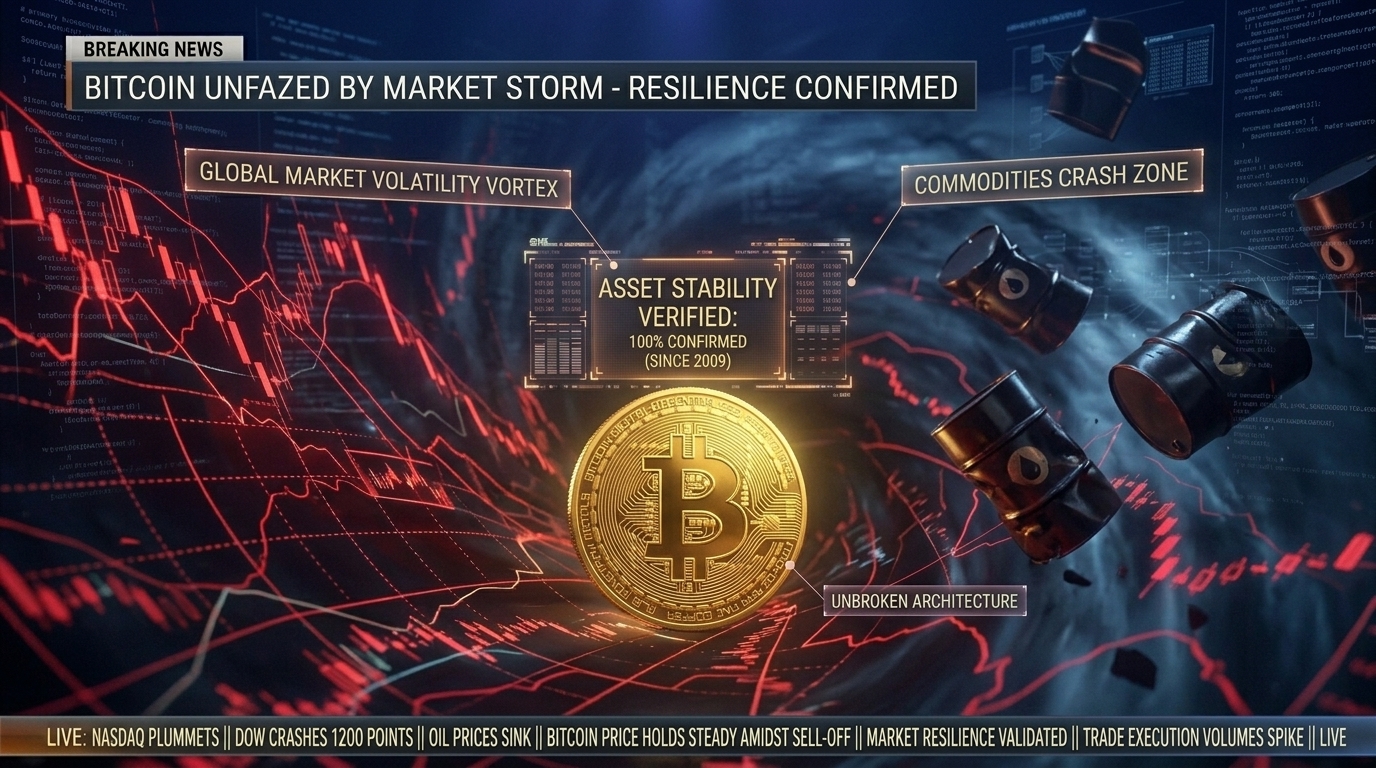
The digital asset market is currently navigating a high-stakes tug-of-war as Bitcoin (BTC) oscillates around the critical $71,000 to $72,000 resistance zone. Following a turbulent week characterized by escalating geopolitical tensions in the Middle East—specifically involving U.S.-Israeli strikes in Iran—Bitcoin has once again demonstrated its dual nature as both a high-beta risk asset and a burgeoning "digital gold" safe haven.
While the initial "war shock" briefly sent prices spiraling toward the $63,000 level, a resilient recovery saw BTC reclaim the $71,000 handle mid-week. This bounce was primarily fueled by a historic reversal in U.S. spot Bitcoin ETF flows, which ended a grueling five-week outflow streak. However, as of March 7, 2026, the momentum has hit a localized ceiling, leaving investors questioning whether this is a definitive breakout or a sophisticated bull trap.
The divergence between market participants has never been more pronounced. On-chain data indicates that while retail sentiment has plunged into "Extreme Fear," institutional whales and major asset managers like BlackRock are aggressively absorbing the circulating supply. This report analyzes the structural health of the current rally and the macro pressures threatening to derail it.
🌍 GLOBAL MARKET IMPACT
The ongoing conflict in the Middle East remains the primary transmission channel for volatility into the crypto markets. With the Strait of Hormuz facing shipping disruptions, crude oil prices have spiked by 11.5%, stoking fears of a "stagflation lite" environment.
US Market: Investors are pivoting toward the CLARITY Act and GENIUS Act developments in Washington. The promise of regulatory certainty is currently acting as a floor for prices, even as equity markets remain jittery.
Asia/Middle East: In the wake of kinetic strikes, regional crypto activity—particularly on platforms like Iran’s Nobitex—has seen a spike in "internal liquidity management," as entities seek neutral settlement rails amidst tightening cross-border capital controls.
Institutional Sentiment: For the first time, institutional buyers are treating geopolitical dips as "structural opportunities" rather than reasons to exit, as evidenced by three consecutive days of net positive ETF inflows.
🧠 ANALYST INSIGHT
Market analysts suggest that the current price action is a "reset" rather than a reversal. The flush of over-leveraged long positions during the $63,000 dip has cleared the path for a more sustainable move. However, the 25-delta risk reversal remains negative, suggesting that professional traders are still paying a premium for downside protection (puts) over upside exposure.
As noted by Tesseract Group analysts, the "mechanical" reason for the recent bounce was the shift in funding rates to deeply negative territory. We are now in a "show me" phase where BTC must close and hold above $72,500 on a weekly timeframe to invalidate the bear-flag structure formed in late February.
⚠️ RISK FACTORS
Macro Volatility: If crude oil holds above $90, inflation expectations will rise, likely forcing the Fed to maintain higher rates, which is historically bearish for crypto.
Liquidity Thinning: Spot trading volume has dropped to multi-year lows. In such environments, even moderate selling pressure from whales can trigger outsized price drops.
Regulatory Litigation: While the CLARITY Act offers hope, the ongoing legal battle between the OCC and state banking supervisors over crypto charters creates a fragmented and risky landscape for institutional custodians.